Difference Between TCP/IP Model and OSI Model In Tabular Form
| Sno. | Features | TCP/IP Model | OSI Model |
|---|---|---|---|
| 1 | Full Form | TCP/IP stands for transmission control protocol/Internet protocol. It is named after these two protocols, being part of this model. | OSI Stands for open system interconnection. It is called so because it allows any two different systems to communicate regardless of their architecture. |
| 2 | Complexity Level. | It is comparatively simple model. | It is complex model. |
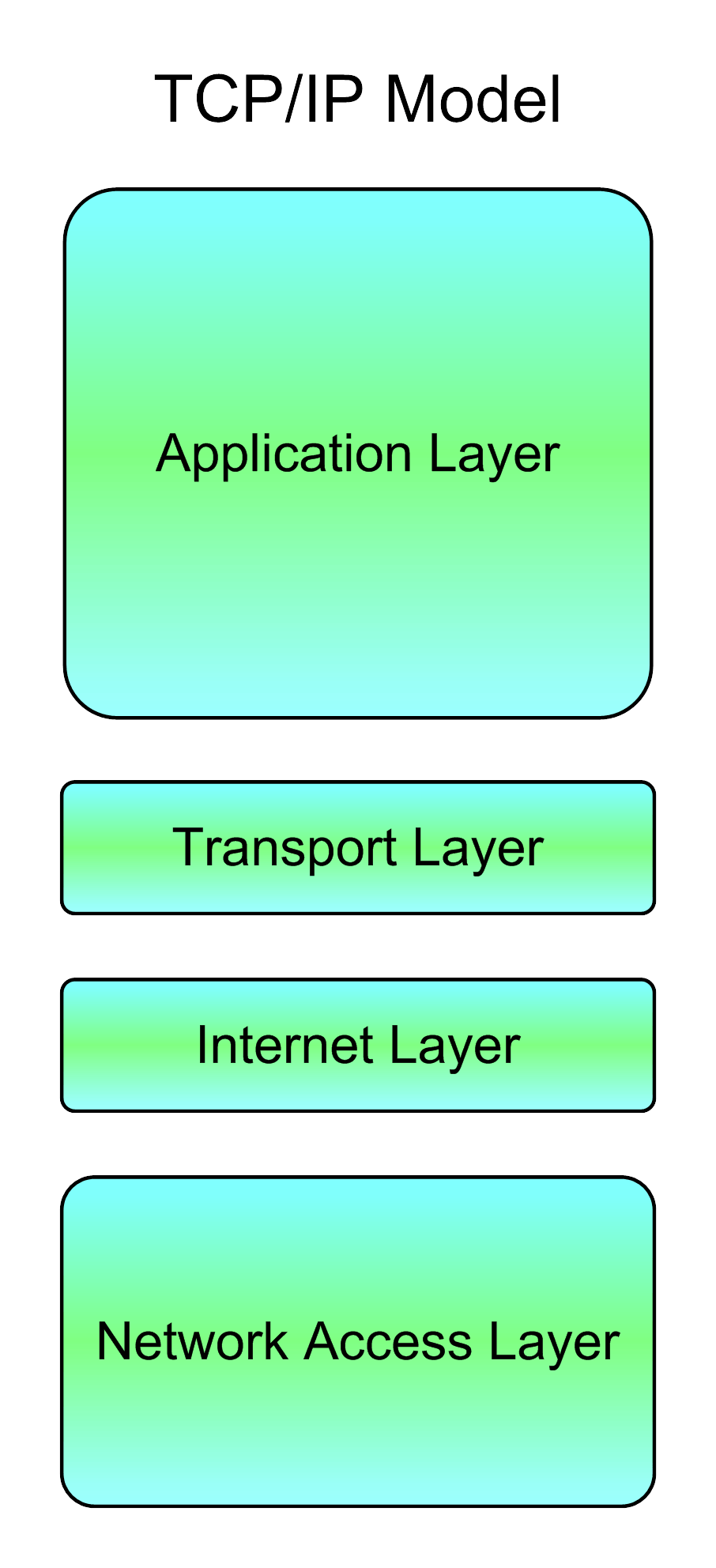
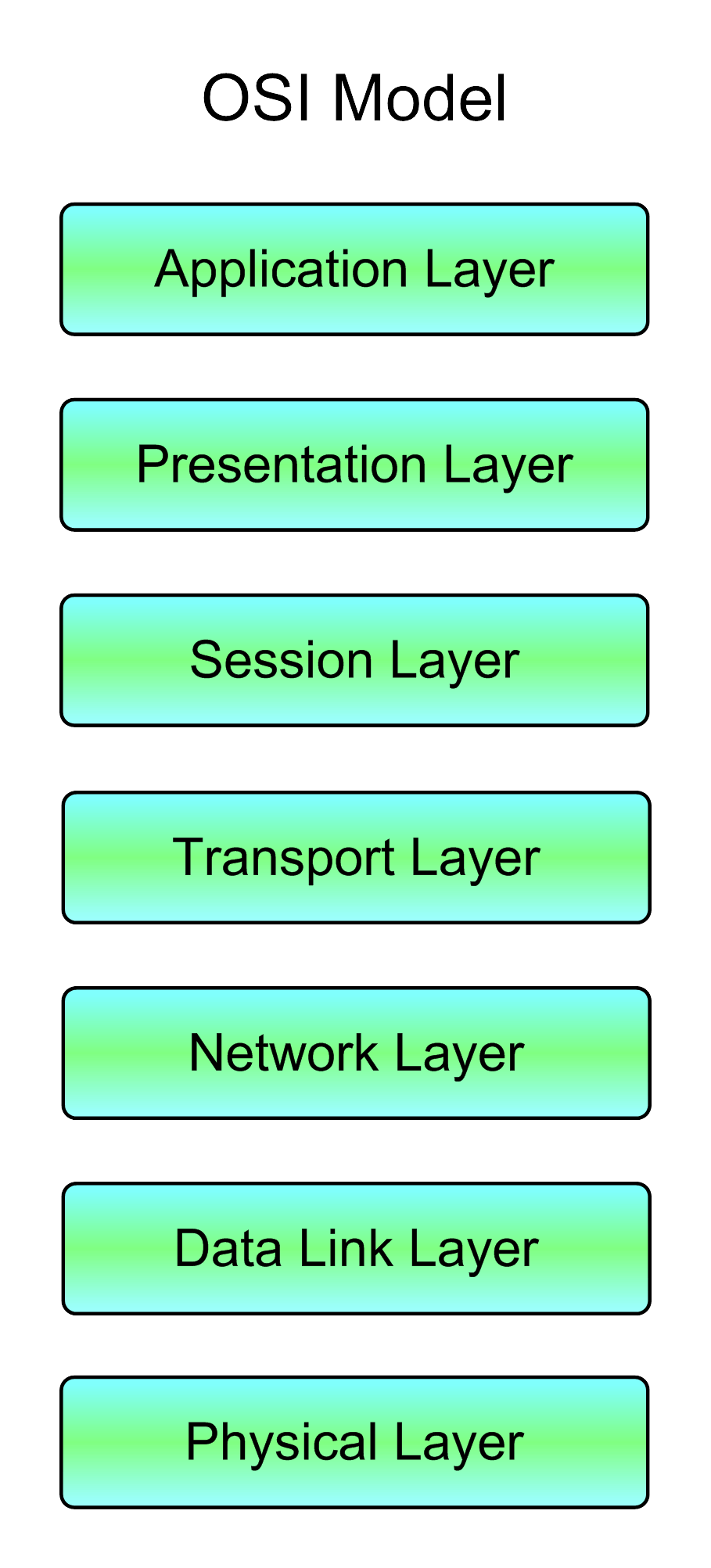
| 3 | Numbers of layers | TCP/IP model has four layers: host-to-network, network, transport and application layer. | OSI model has seven layers : physical,data link , network, transport, session, presentation and application layer. |
| 4 | Session and Presentation layer | There is no session and presentation layer in this model. | Session and Presentation layers are present in this model. |
| 5 | Service Interface and Protocols | It does not clearly distinguish between services, interfaces and protocols. | This model provides clear distinction between services , interfaces and protocols. |
| 6 | Model and Protocol Coherence | TCP/IP protocols fit well in this model as model is defined after protocols were implemented . | Protocols do not fit well into the model, because model was defined first before implementation takes place. |
| 7 | Type of Service | TCP/IP model supports only connectionless communication in n/w layer. | OSI model supports both connectionless and connection oriented communication in n/w layer. |
| 8 | Quality of Service | It does not provide quality of service. | It provides quality of service. |
| 9 | Type of Connection | In TCP one connection can be established. | In OSI model two independent full duplex connections can be established. |
| 10 | Size of Header | Minimum size of TCP header is 20 bytes. | Minimum size of OSI header is 5 bytes |
| 11 | Approach | Vertical | Horizontal |
| 12 | Model and Protocol Coherence | TCP/IP model does not fit any protocol | OSI model has a problem of fitting the protocols into the model. |
| 13. | Model Diagram |
|
|
(Visited 2,214 times, 1 visits today)
Written by: